Web Design and Its Technologies
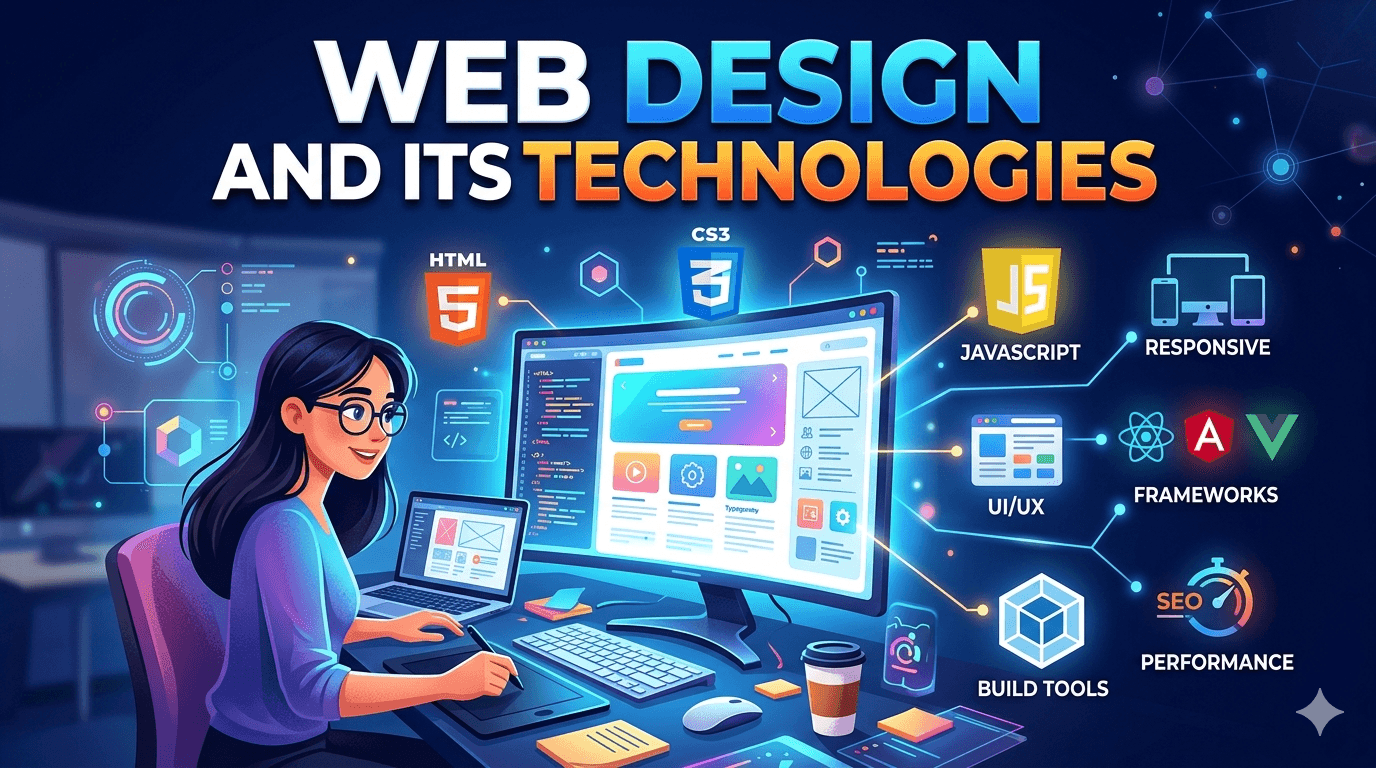
In today’s digital world, web design plays a crucial role as a website is often the first impression people have of your business or personal brand. A well-designed site not only looks appealing but also creates trust, improves usability, and helps you achieve your goals—whether that’s gaining clients, sharing knowledge, or selling products. As a freelancer i.e kapiladhikari.com.np, I focus on modern, user-friendly, and search-engine-optimized websites that help businesses grow online through effective web concept.
What is Web concept?
Web design is the process of creating the visual layout, structure, and functionality of a website. It goes beyond just aesthetics—it’s about combining design, usability, and technology to deliver the best possible user experience. A good design should:
- Be responsive and adapt to all devices
- Load quickly and efficiently
- Follow accessibility standards
- Reflect the brand’s identity
- Convert visitors into leads or customers
Core Web Design Technologies
To build modern websites, web designers and developers rely on a set of technologies that work together seamlessly within the realm of web plan:
1. HTML (HyperText Markup Language)
HTML provides the structure of a website. It defines elements such as headings, paragraphs, images, and links. Without HTML, a web page would not exist, making it essential to web outline.
2. CSS (Cascading Style Sheets)
CSS controls the look and feel of a site. From colors and fonts to layouts and animations, CSS makes websites visually appealing. Modern CSS frameworks like Tailwind CSS and Bootstrap speed up design processes in the field of web design and ensure responsive layouts.
3. JavaScript
JavaScript adds interactivity to websites. Features like sliders, pop-up forms, animations, and dynamic content are all powered by JavaScript. Popular libraries and frameworks such as React, Vue.js, and Angular take JavaScript to the next level by enabling powerful web applications, crucial for modern web design.
4. Responsive Design Frameworks
With most users browsing on mobile devices, responsive design is essential. Frameworks like Bootstrap and Tailwind CSS help developers build mobile-friendly websites that adapt to any screen size, enhancing the web draft process.
5. Content Management Systems (CMS)
Platforms like WordPress, Joomla, and Drupal make it easier for non-technical users to manage websites. WordPress is especially popular for its flexibility, plugins, and SEO-friendly features that integrate seamlessly into web design strategies.
6. Backend Technologies
While front-end design focuses on what users see, backend technologies power the functionality behind the scenes. PHP, Node.js, Python, and databases like MySQL or MongoDB ensure that forms, logins, and e-commerce systems work smoothly, supporting web design efforts.
Why Web Design Matters for Your Business
Investing in professional web design pays off in many ways:
- Better SEO – A properly structured, mobile-friendly website ranks higher in search engines through effective web design techniques.
- User Experience (UX) – Visitors are more likely to stay, browse, and convert when your site is easy to navigate, thanks to thoughtful web design.
- Brand Credibility – A clean, modern design instantly boosts trust in your web design.
- Competitive Advantage – A well-optimized website can set you apart from competitors who neglect design. Web design is crucial in achieving this edge.
Conclusion
Web design is a blend of creativity and technology. By combining tools like HTML, CSS, JavaScript, and CMS platforms, businesses can create powerful online presences. If you’re looking for a professional, SEO-friendly, and visually modern website, visit kapiladhikari.com.np or my lab to explore my freelance web design services.